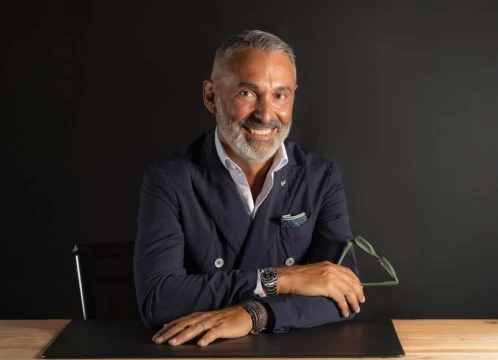
Giorgio Besenzoni
Giorgio Besenzoni: Today, Marine Equipment Is Developed Through Co-Design with Shipyards
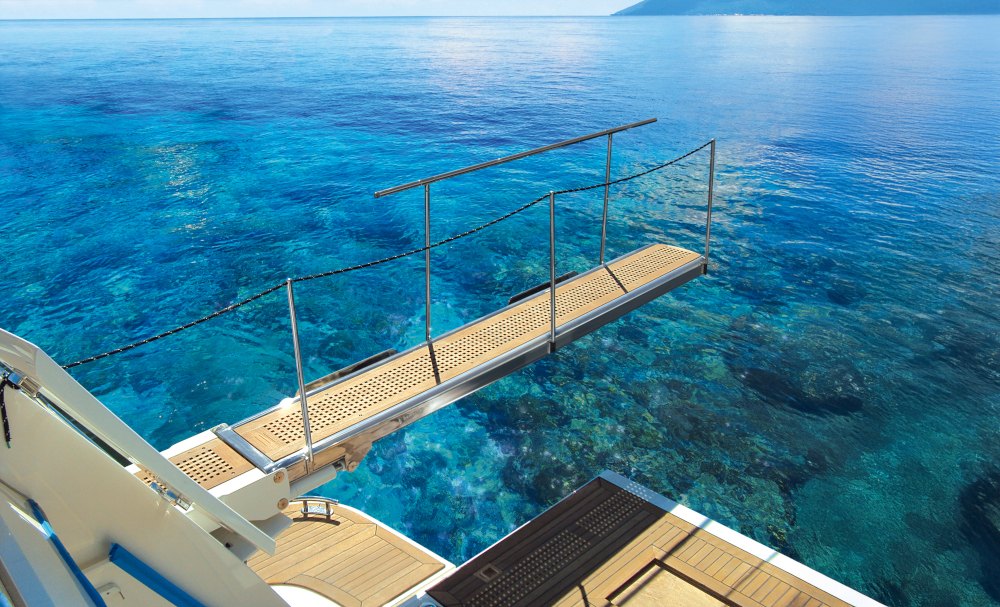
Within the Italian marine equipment industry, there are companies that often operate away from the spotlight focused on the most exclusive yachts, renowned shipyards, and celebrated naval architects. Yet these companies have played a substantial role in raising the quality standards of the entire supply chain. Besenzoni is one of them. Founded in 1967 in Sarnico by Giovanni Besenzoni and now led by his son Giorgio, the Bergamo-based company has become an international reference point in the production of components and accessories for yachts and superyachts: gangways, helm seats, shell doors, cranes, and customized systems for large yachts. These are the elements that rarely appear in launch photographs but make a difference on board every day.
 During the Blue Design Summit in La Spezia, we met with Giorgio Besenzoni, CEO of the company, to discuss the evolution of the sector, relationships with shipyards, sustainability, and the growing role of collaborative design in the development of marine equipment.
PressMare – Besenzoni is a historic name in Italian yachting. How has your role within the supply chain changed over the years?
Giorgio Besenzoni – We have been active in the sector since 1967. Next year we will celebrate the company’s sixtieth anniversary. My father Giovanni started producing components for boats at a time when many processes were still carried out directly within shipyards. Today, we are part of a specialized supply chain that contributes to the construction of some of the most important yachts built worldwide.
PM – Your market is now international. How significant is exports business?
GB – We sell in approximately 56 countries, and the market is essentially split in half: 50% Italy and 50% international. Recently, however, the Italian share has been growing again.
PM – What is Besenzoni’s main market segment?
GB – Our products are installed on yachts starting from 15 meters in length. Depending on the type of product, we supply yachts ranging from 40, 60, and 70 meters up to 80 meters.
PM – How important is customization compared with series production?
GB – Even our standard products are customized. We manufacture directly for shipyards, and every supply is adapted to the specific requirements of the project. This means working closely not only with technical departments but also directly with naval architects and designers.
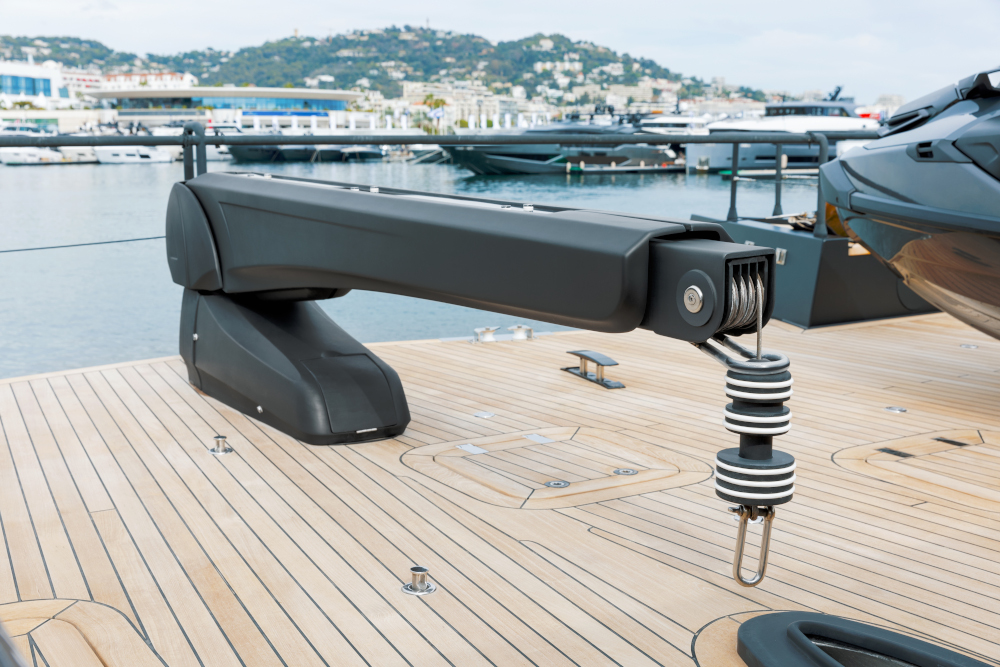
The theme of co-design emerges strongly from Besenzoni’s account: not a traditional client-supplier relationship, but a continuous collaboration involving design offices, engineers, and naval architects. According to Giorgio Besenzoni, this dynamic represents one of the key competitive advantages of the Italian marine equipment industry today, making Besenzoni a strategic partner for shipyards rather than simply a supplier.
PM – How does innovation originate in a company like yours? Does it come from shipyards or from your own internal research?
GB – I would say both. Sometimes we propose new solutions ourselves, such as electric gangways or electric shell doors. In other cases, shipyards present us with specific requirements that force us to develop new technical solutions. It is precisely this continuous research process that leads to innovative products.
PM – How complex is it to develop customized components for large yachts?
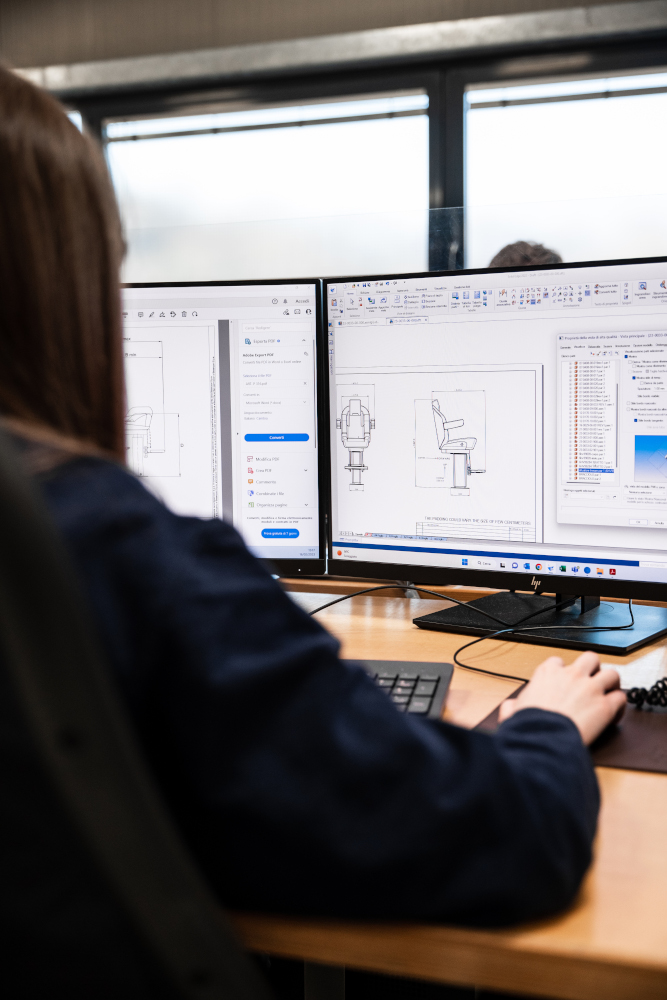
GB – It depends greatly on the project. We have twelve in-house engineers and also collaborate with external engineering firms that validate calculations and technical solutions. Some shell doors may appear simple but become highly complex because they must integrate real staircases, overhead cranes, or other systems. At that point, the challenge is finding a way to make everything coexist within a single component.
PM – How much of your production is carried out in-house?
GB – Around 90%. All strategic processes are performed within the company: painting, chemical treatment of metals, robotic and manual welding carried out by certified welders, as well as assembly. We outsource only the most repetitive operations.
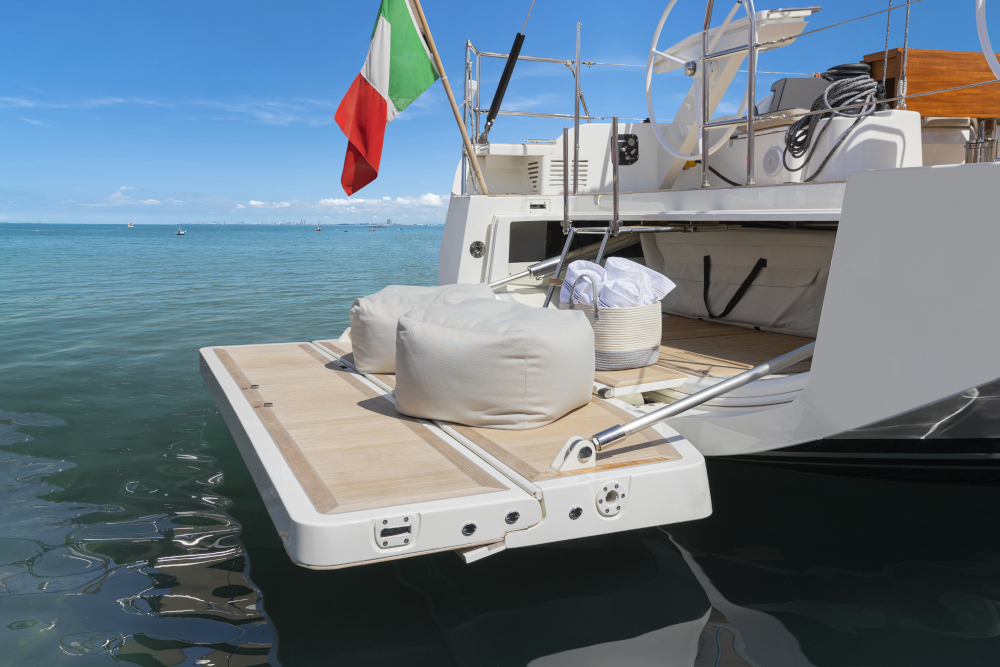
Direct control over the production chain, high quality standards, and the ability to respond quickly to highly customized projects are the pillars of Besenzoni’s industrial strategy. Keeping strategic processes in-house-nearly 90% of the production cycle-is not merely an operational choice, but also a guarantee of reliability and flexibility that is difficult to delegate.
PM – ESG issues have become increasingly important in yachting over the last few years. How are you addressing this transition?
GB – We began our ESG journey in 2022 and have already published our third sustainability report. We focus on four key areas: social responsibility, ethics, products, and the environment. From a technical perspective, we have been among the companies most committed to transforming gangways and stairways from hydraulic systems to electric systems, reducing the use of oil and therefore minimizing the risk of leaks both in engine rooms and in the marine environment.
PM – Are you also working on materials?
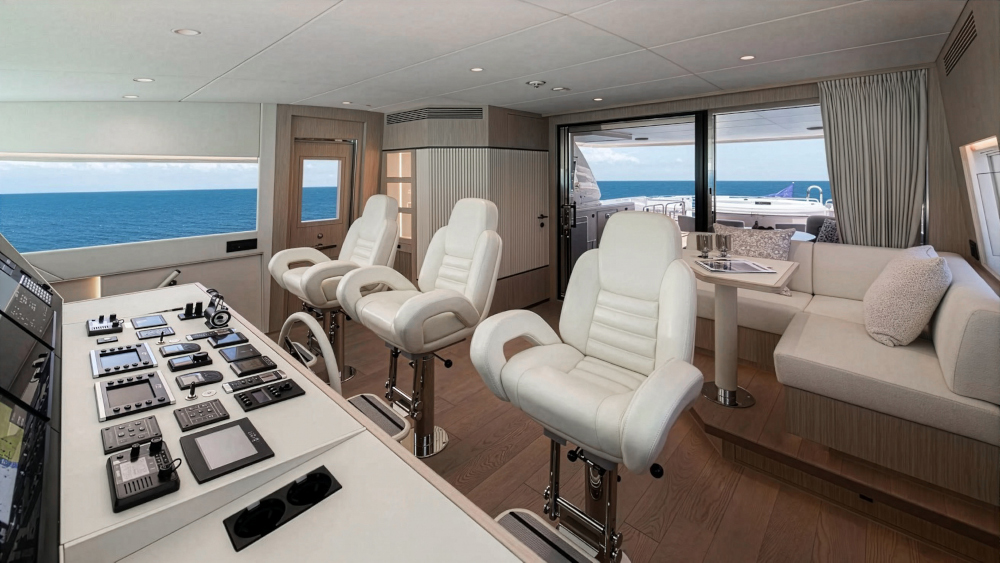
GB – Yes. We use materials already recognized as recyclable, such as steel, and we are introducing resins obtained through the recovery and reprocessing of production waste. In addition, some of the leathers used for seat upholstery feature nanotechnology treatments that improve heat resistance and color stability over time.
PM – What is Besenzoni’s flagship product today?
GB – The gangway remains our leading product.
PM – And what role does the division dedicated to seats and interiors play?
GB – We have Atelier Besenzoni, which originates from a historic marine upholstery business that had been active on Lake Iseo since the 1960s. We have preserved that artisanal approach while combining it with today’s materials and technologies.
PM – Ultimately, who chooses Besenzoni: the shipyard or the owner?
GB – In most cases, it is the shipyard. Sometimes, however, the final owner specifically requests our products.
PM – Why does a shipyard or owner choose Besenzoni today?
GB – Because of the support we provide over time. We are able to follow our products not only during the warranty period but also many years later. We still have components installed in the 1980s that require maintenance and service, and we continue to support them.
©PressMare - All rights reserved