
Sangermani Vanna
Sangermani between 130 years of legend and the ambition to return to building
Following the article on the event celebrating the 130th anniversary of the Sangermani shipyard, we return with a second chapter focused primarily on the interview with Giacomo Sangermani, who today runs, together with his brother Filippo, one of the historic companies that have contributed to the prestige of Italian yachting.
LAVAGNA (GE) – One hundred and thirty years of activity (1896–2026), four generations of a family business in the purest sense of the term, dozens of legendary yachts and, today, the ambition to return to building new ones, not only restoring and maintaining those already sailing around the world.
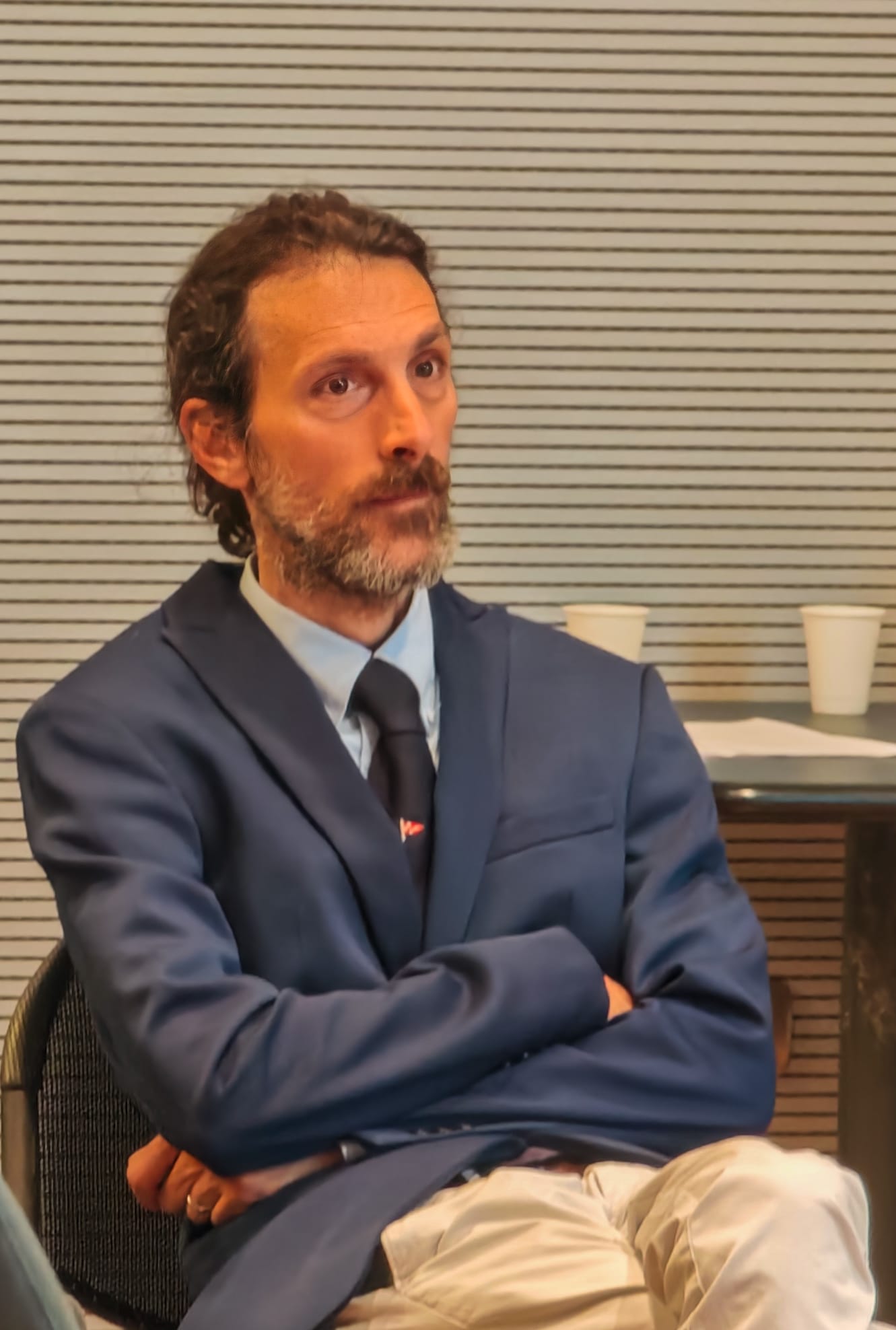
Perhaps Sangermani’s real challenge begins now, looking forward rather than (only) back at a legendary past that inspires pride more than it weighs, at least when speaking with Giacomo Sangermani, CEO of the shipyard he manages with his brother Filippo. “I handle operations, he takes care of the numbers,” he jokes in conversation with PressMare. With him, we take a snapshot of the company today before inevitably looking back.
PressMare – How many people work at Sangermani and what do they do?
Giacomo Sangermani – Today we focus more than before on refits, because our fleet is ageing and needs maintenance. Our main activity is therefore restoration and maintenance of our boats, but we also work on other yachts, because the yard is large and needs to stay busy.
PM – Are these in-house workers?
GS – They vary depending on the projects, but we mainly have employed carpenters and joiners in-house. A note: I don’t like the term “master shipwright” because it has been overused and misused in recent years. Then there are the craftsmen from the 1990s—painters, plumbers, electricians, mechanics—who have become external businesses but still keep their workshops inside the yard.
PM – So a mixed model between direct staff and external teams.
GS – Exactly. Since the late 1990s we’ve become more flexible with this approach, which has since been adopted across the industry. Today no yard manages everything in-house. At any given time, between fifteen and thirty people are working in the yard, depending on the projects.
PM – How long do these projects usually last?
GS – Typically one season. They used to start in September, now increasingly later—around mid-October—and run until May or June, depending on the type of refit required.
PM – So only refit activities.
GS – Yes, but I don’t deny that my ambition is to return to building, perhaps at a slower pace than in the past. Sangermani once achieved significant production numbers: in sixteen years, from 1946, when the yard moved permanently to Lavagna, to 1962, when Gitana IV—commissioned by Baron Rothschild—was launched, 129 boats were built. Think of the experience gained by a worker who started at 14 and by age 30 had seen over a hundred boats built.
PM – So the goal is to build new yachts again. But how?
GS – I am focusing mainly on training. I’ve set myself a ten-year horizon. If in that time I don’t find an owner willing to commit to building a boat with us, I won’t give up, but it will become more difficult. Today I’m fortunate to still have our “old” craftsmen alongside me—not always operational, but invaluable as mentors.
PM – What is the main challenge? Finding clients?
GS – No, the real challenge is training. Shipyards have to do it themselves. There are no institutions or schools. When I studied in La Spezia in 2000, there was a plaque outside the naval arsenal reading “School of Master Shipwrights Luigi Durand de la Penne”. The plaque was there, the school never existed. If companies are required to train, they need support; otherwise it becomes difficult.
PM – Do you have concrete plans?
GS – We need to be practical. We must start from schools. In Sardinia a promising project is taking shape, an academy of the sea that plans to use some of our abandoned boats there, restoring them. Meanwhile, as we work toward building again, we would like to establish a foundation to restore Sangermani yachts and use them for training. The model could be: restore a boat in practice, use it for charter, and reinvest the proceeds into the foundation. This could support training not only for shipwrights but also for captains, crew and onboard staff, creating a system capable of preserving skills that risk disappearing. This is Sangermani’s challenge for the coming years: keeping a world alive that is gradually fading.
THE SANGERMANI HISTORY
It is worth briefly retracing the history of the Sangermani shipyard, which also includes a fortunate administrative error: a distracted clerk altered the family name from Sangermano, originally from Piedmont, to Sangermani.
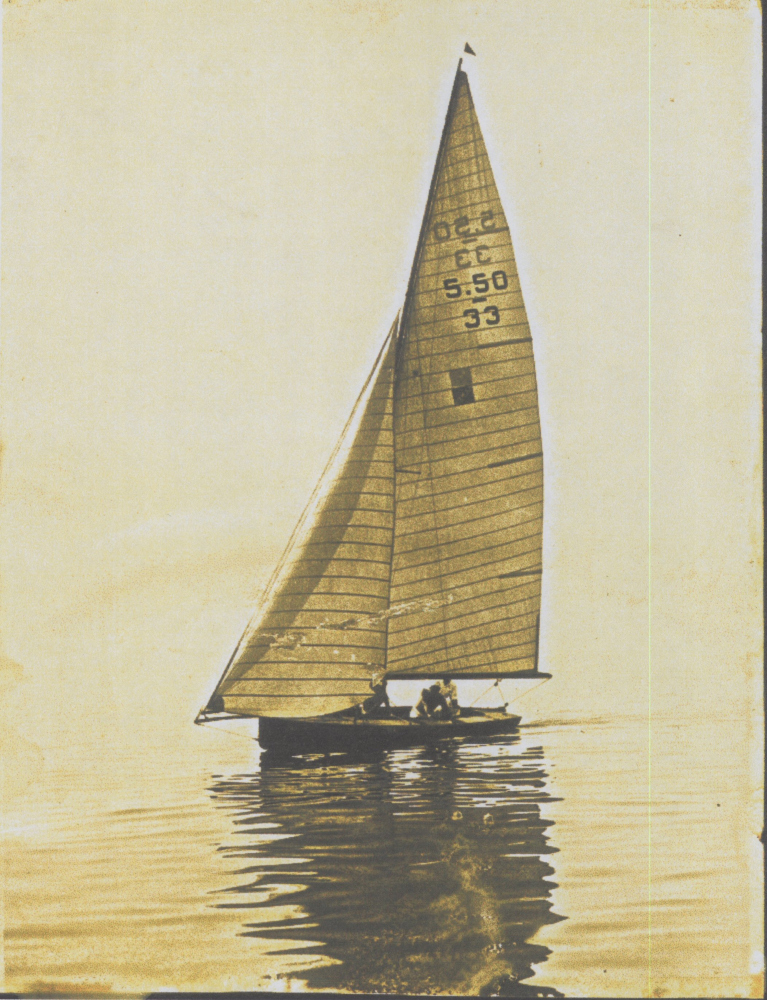
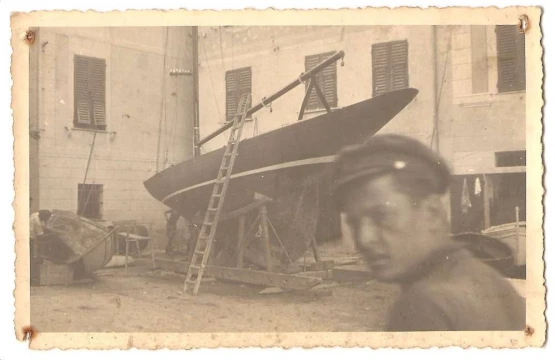
Ettore “Dorin” Sangermano founded the yard in 1896 in Mulinetti, near Recco, where he began building small boats in an open-air space among houses. The yard’s distinctive qualities soon emerged: in 1906 it received its first recognition, a gold medal in Montecatini for a sailing “yach” (the missing “t” is original) built by Ettore Sangermano.
Success continued over the years, with increasingly competitive yachts. In 1928 the dinghy Vespa won regattas, helmed by Ettore’s son, marking the second generation with Cesare and Piero, now officially Sangermani.
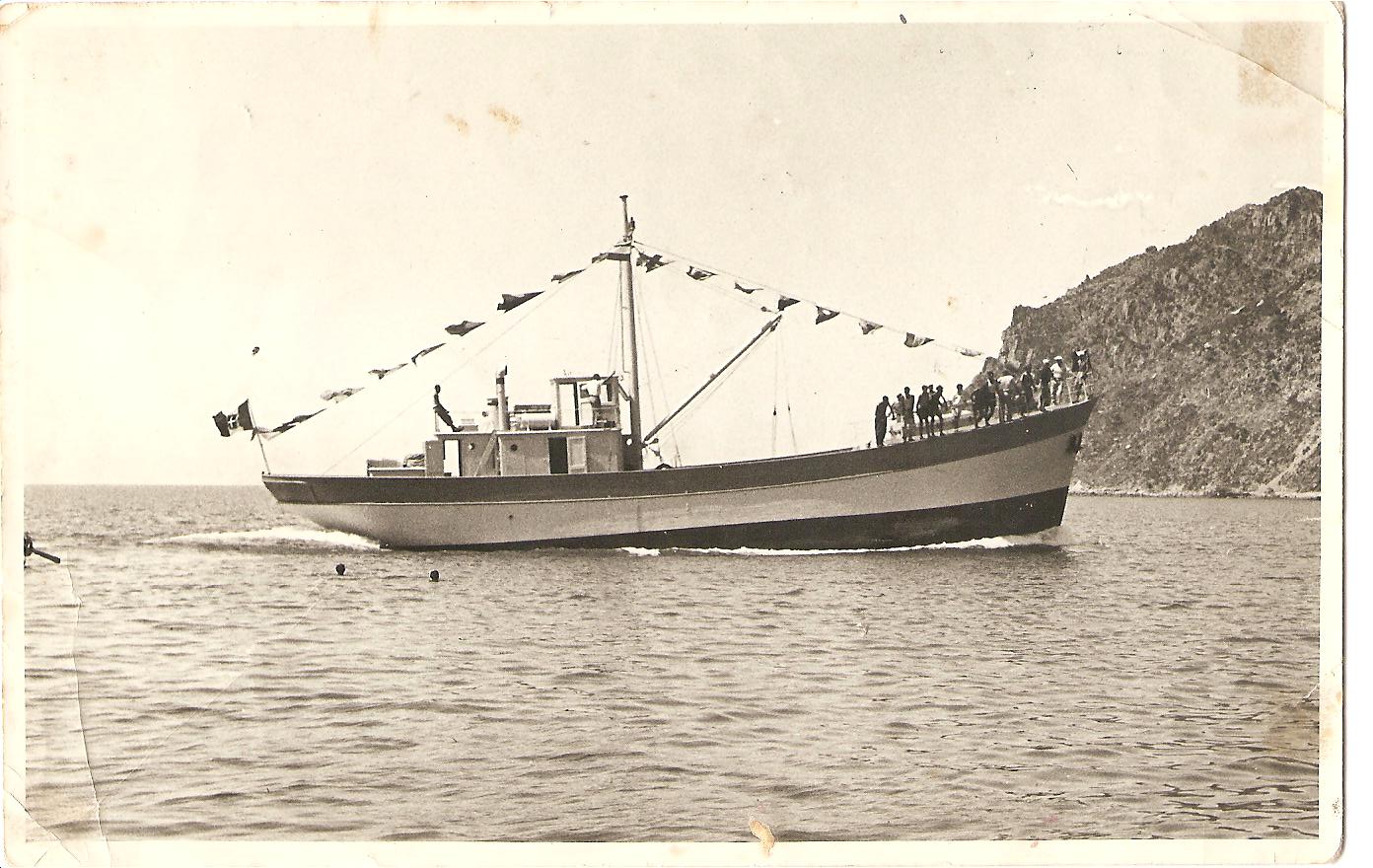
As production grew, the yard moved first to Rapallo (1936) and then to Riva Trigoso (1944), expanding into workboats. During the war, production was largely converted for military purposes, though a notable exception was the 40-metre motor vessel Solaro 1, built to transport Jewish refugees to what would become Israel.
In 1946 the yard relocated to Lavagna, where it remains today. The post-war years saw the construction of numerous yachts that would become part of sailing history, including Star-class boats, 5.50 S.I., 6 Metre yachts and Dragons.
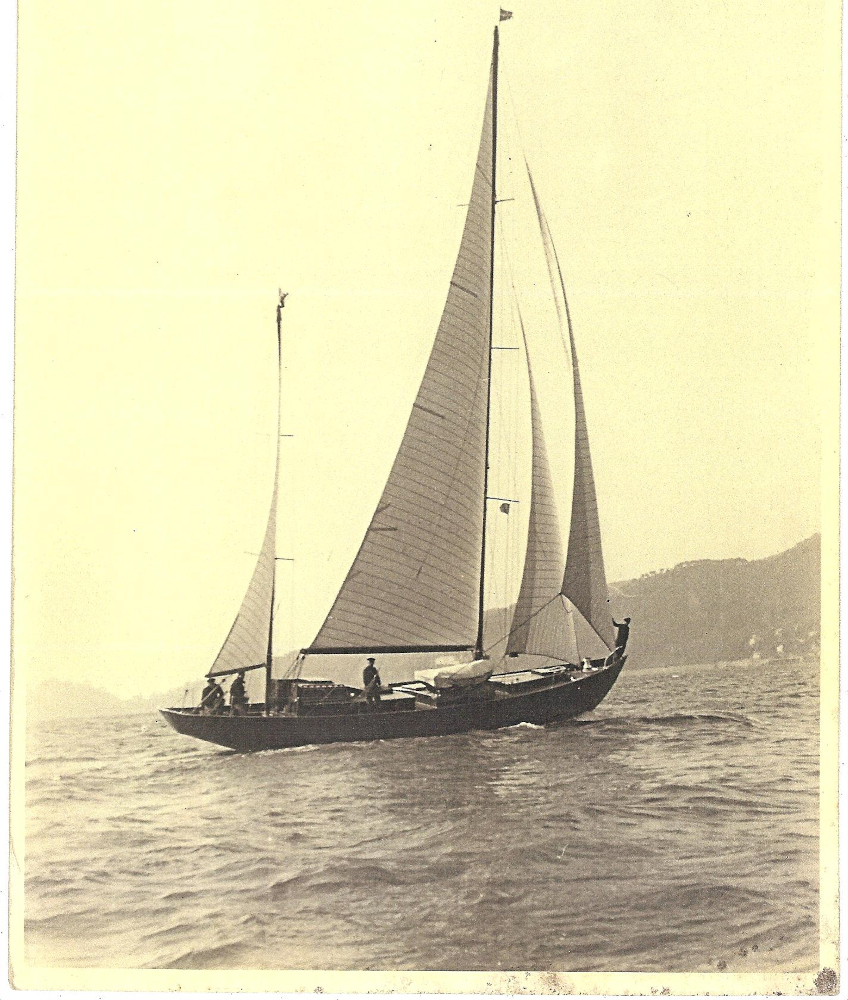
In 1950, hull number 35, Char di luna, won the Fastnet Race, bringing international recognition. Orders followed from leading industrialists and aristocrats, both Italian and international.
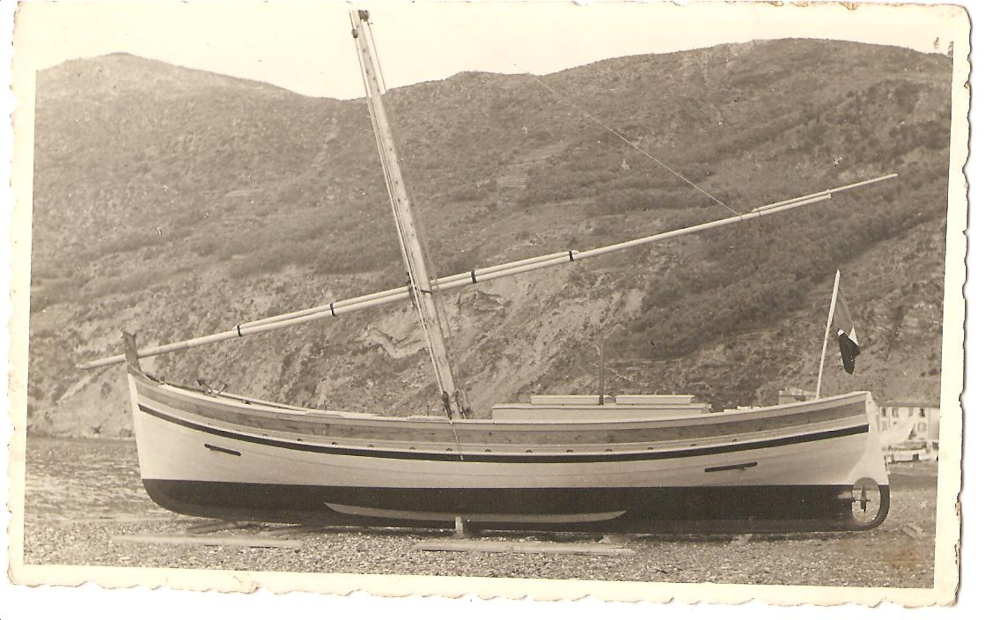
In the 1960s, the third generation—Cesare and Ettore Sangermani—took over, collaborating with leading naval architects such as Laurent Giles, Sparkman & Stephens and Germán Frers.
Among the most notable yachts are Artica II, Stella Polare, Airin, Sumbra, Mabelle, Rolly Go, Valentina VI and Julie Mother.
In 1974, Cesare Sangermani summarised his philosophy: “I cannot build boats just to make money. I build them with my heart. For me, every boat is a work of art.”
In the 1980s, the yard expanded into offshore boats and introduced innovative construction techniques combining wood with carbon fibre layers at 45 degrees, reducing weight while maintaining structural strength. This led to ultralight yachts such as Pegasus, Dalu and Walligator.
Today, the fourth generation—Giacomo and Filippo Sangermani—leads the yard, which celebrates 130 years in 2026.
Hats off, and fair winds.
Riccardo Masnata
©PressMare - All rights reserved