Driven by Wind: Superyachts embraceauthenticinnovation for a sustainablesuperyacht Future
Driven by Wind: Superyachts embrace authentic innovation for a sustainable superyacht Future
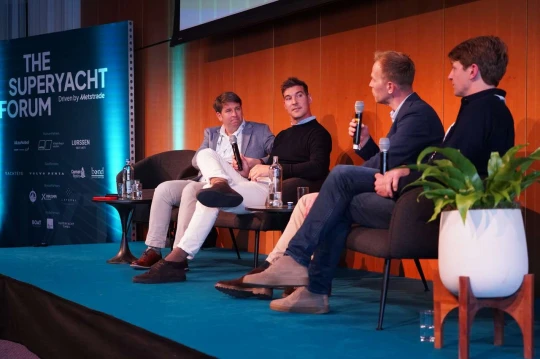
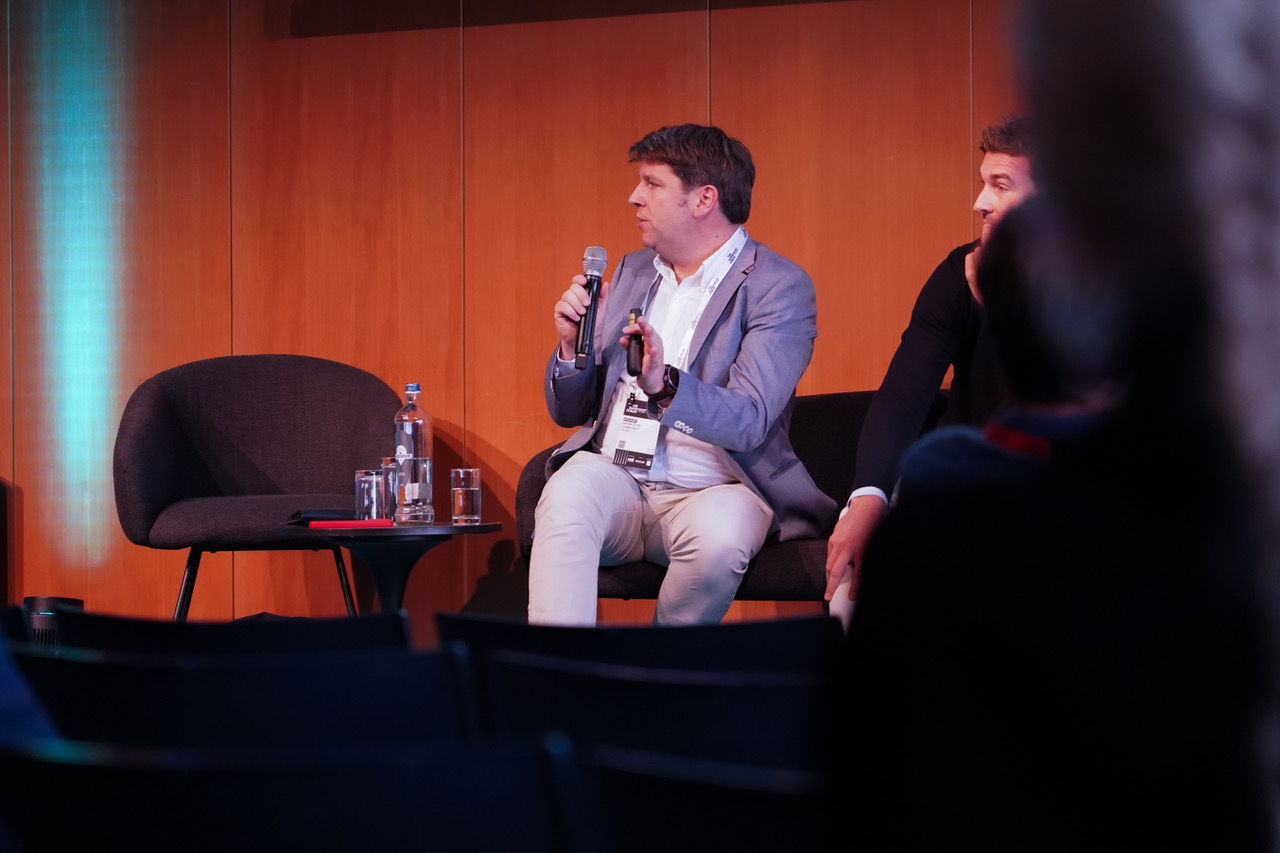
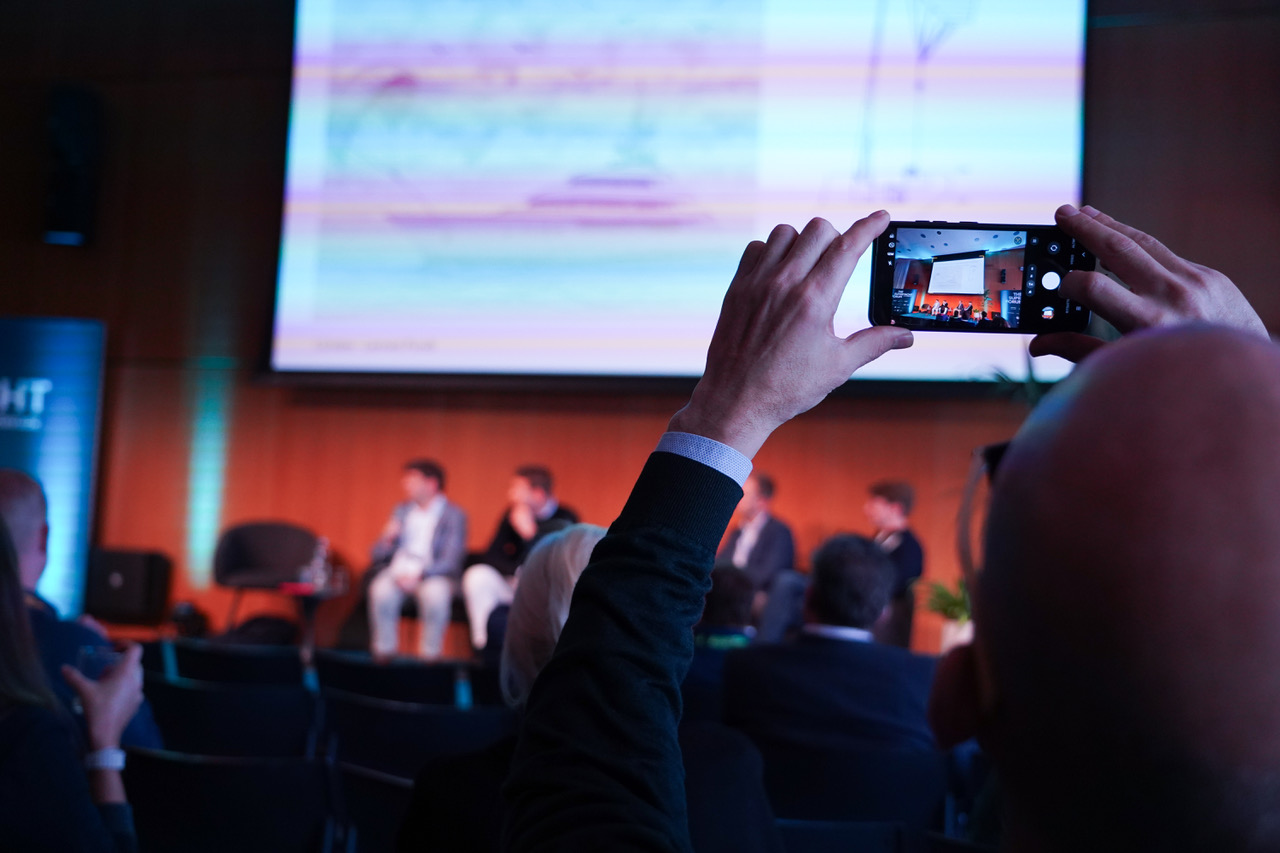
At RAI Amsterdam, during The Superyacht Forum, a dynamic panel gathered some of the most influential figures in yacht design and innovation to explore a theme that is both timeless and increasingly urgent: wind as a driver of sustainability in the superyacht sector. Moderated by Martin Redmayne, the session titled “Driven by Wind: Authentic innovation for a sustainable superyacht future” examined how sailing yachts, long admired for their ability to harness natural forces, are now inspiring a new generation of hybrid solutions that blur the lines between motor and sail.
The discussion opened with a reflection on sailing’s deep roots in the industry. Many captains and owners grew up with sails, and the emotional connection to wind-powered navigation remains strong. Yet the panel emphasized that wind should no longer be seen merely as a romantic nod to tradition. Instead, it must be reimagined as a practical energy source—one that can reduce fuel consumption, enable regenerative systems, and complement alternative fuels.
Hermen de Jong, Innovation Manager at Royal Huisman, presented AERA, a concept launched at the Monaco Yacht Show. Featuring a large wing sail developed with Rondal and partners, AERA demonstrates how wind-assisted propulsion can be seamlessly integrated into modern yacht design. “Wind propulsion never comes alone,” de Jong explained. “It enables alternative fuels, hydro generation, and a holistic approach to energy management on board.”
With motor yachts representing 85 percent of the market, the panel tackled the challenge of integrating wind energy into vessels traditionally associated with comfort and stability rather than heel and rigging. Lennart Pundt, Head of Project Development at Lürssen, acknowledged that only a handful of clients have seriously explored wind energy in recent years. Yet he revealed that projects are underway, including concepts using kites to generate between 400 and 1,000 kilowatts of power. “It’s about matching technology to client needs,” Pundt said, noting that while some owners seek Formula One-style innovation, others simply want the quiet luxury of a floating hotel.
The kite concept, once tested in commercial shipping, may find new life in yachting. Its ability to rise hundreds of meters into the sky and generate significant energy makes it particularly suited to yachts, which rarely operate at the high speeds of merchant vessels. The challenge, however, lies in practical details—such as closing airspace for helicopters when the kite is deployed.
Wick Hillege of Dykstra Naval Architects emphasized the importance of simplicity. He described a project in Australia where a Falcon rig was installed on a motor yacht platform, driven by the younger generation’s demand for responsibility and sustainability. By limiting heel to five degrees and designing rigs that feather automatically when wind loads increase, systems like the Dynarig make sailing accessible to owners who may not have traditional sailing experience. “It’s about easy installation and easy operation,” Hillege said. “That’s how we bring new clients into the world of wind.”
Wim Verhoeff, Sales Director at Oceanco, reminded the audience that sustainability is not just about propulsion. Yachts spend most of their time at anchor or in marinas, where hotel loads dominate energy consumption. Here, wind can play a role through turbines, rotors, or by enabling greater use of solar panels and hydro generation. “Wind is omnipresent,” Verhoeff said. “We must showcase opportunities, educate clients, and combine technologies to inspire solutions.”
The panel acknowledged that wind turbines can be noisy compared to solar panels, and that hydro generation is limited in areas with weak currents. Yet the consensus was clear: wind must be part of a broader energy mix, alongside hydrogen, methanol, and advanced battery systems. The goal is not a single solution but a portfolio of technologies tailored to different client profiles—from explorers seeking autonomy in remote regions to families wanting iconic projects that reflect eco-conscious values.
The conversation also drew inspiration from commercial shipping, where wind-assisted propulsion is gaining traction. A case study presented by the audience described Canopée, a 120-meter RoRo ship equipped with four Oceanwing sails, which has achieved fuel savings of 30 to 50 percent. Such examples demonstrate that wind is not just a niche experiment but a proven technology with real-world impact. Translating these successes into yachting could accelerate adoption and reshape perceptions.
Ultimately, the panel agreed that education is key. Brokers, designers, and shipyards must articulate the benefits of wind energy to clients who may be wary of complexity, cost, or crew requirements. Sailing yachts offer autonomy, performance, and a deeper connection with nature, while motor yachts can integrate wind systems without sacrificing comfort. By reframing wind as a versatile tool rather than a niche feature, the industry can broaden its appeal to younger, more sustainability-minded owners.
The seminar underscored a pivotal moment for yachting. Wind, once seen as the domain of traditional sailors, is emerging as a spearhead for innovation across the sector. Whether through wing sails, kites, Dynarigs, or hybrid energy frameworks, the convergence of sailing and motor technologies is creating a new playing field. As Martin Redmaybe summarized, “We can’t keep doing what we’re doing. We need to show the market what really can be done.”
The message was clear: wind is not just a nostalgic force—it is a modern enabler of sustainability, innovation, and authentic experiences at sea. The challenge now lies in embracing it boldly, educating clients, and proving that the superyacht industry can lead the way in the maritime energy transition.
Filippo Ceragioli
©PressMare - All rights reserved