Blue Design Summit panel: From Concept to Sea: Teamwork Behind a Yacht
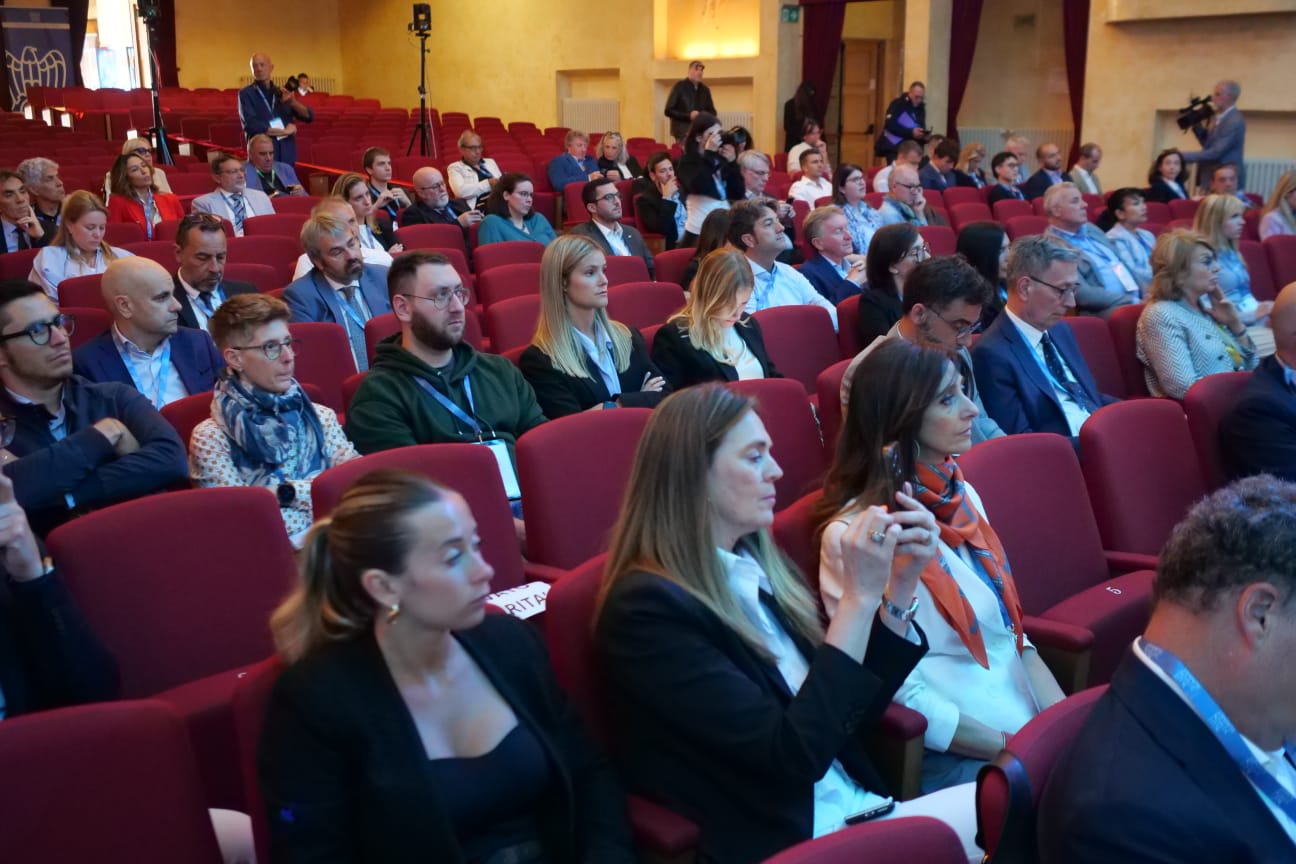
At the Blue Design Summit in La Spezia, one of the most engaging panels dedicated to the world of high-end yachting focused on a topic that is now profoundly reshaping the industry: the evolution of the relationship between shipyard and owner, and the value of teamwork in the creation of a custom yacht.
The discussion, promoted as part of the activities of Yacht Femme — a multimedia platform committed to enhancing the role of women in yachting through networking, storytelling and dedicated initiatives — was made possible thanks to the work of Francesca Ragnetti, who supports Andrea Tagliaferro, founder of the project and co-creator of the Women’s Yachting Awards.
On stage, moderated by Ragnetti herself in her role as New Build Sales Manager at Camper & Nicholsons, several leading female figures from the international yachting industry shared their perspectives: Barbara Amerio, CEO and Sustainability Director of Amer Yachts; Marijana Radovic, founder of M2Atelier; Isabella Picco, Marketing and Communication Director at Tankoa; Nadia Cutolo, Lead Project Engineer of the outfitting department at Hydro Tec; and Laura Ceccarelli, Co-CEO of Tuxedo Yachting House.
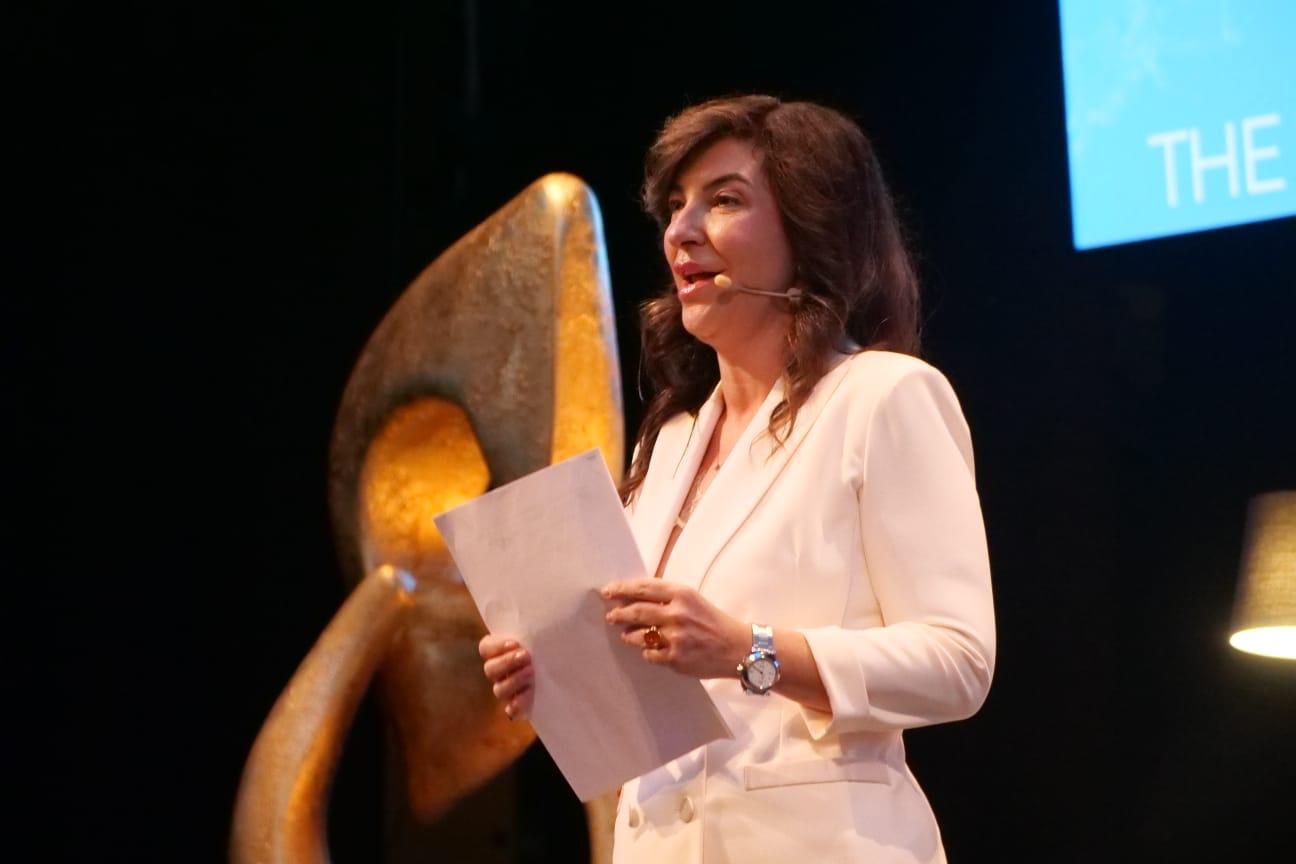
What emerged was a collective portrait of contemporary yachting, where the superyacht is no longer perceived simply as a luxury asset or status symbol, but rather as an experiential environment, a family space and a personal extension of the owner.
One of the central themes of the discussion concerned the changing profile of the yacht owner. According to Barbara Amerio, today’s client arrives at the shipyard with extensive cruising experience, solid technical knowledge and far more articulated expectations than in the past. The owner is no longer someone purchasing a yacht purely for representation purposes, but rather an individual who genuinely lives the sea, understands onboard life and actively participates in design decisions.
This level of involvement is also reflected in the increasing attention paid to crew wellbeing, now considered an integral part of the ownership experience. Amerio underlined how the quality of life for the crew is increasingly regarded as equally important as that of the guests: “when the crew feels well, the owner’s experience improves too.”
Marijana Radovic expanded on the concept, explaining that today’s client is searching for “a space to live in” more than for an object. Design therefore moves toward enduring, coherent solutions free from short-lived excesses. This approach aims for “timelessness”, especially in large metal yachts or vessels intended for mixed private and charter use. The panel strongly highlighted how human relationships have become central to the custom yacht construction process.
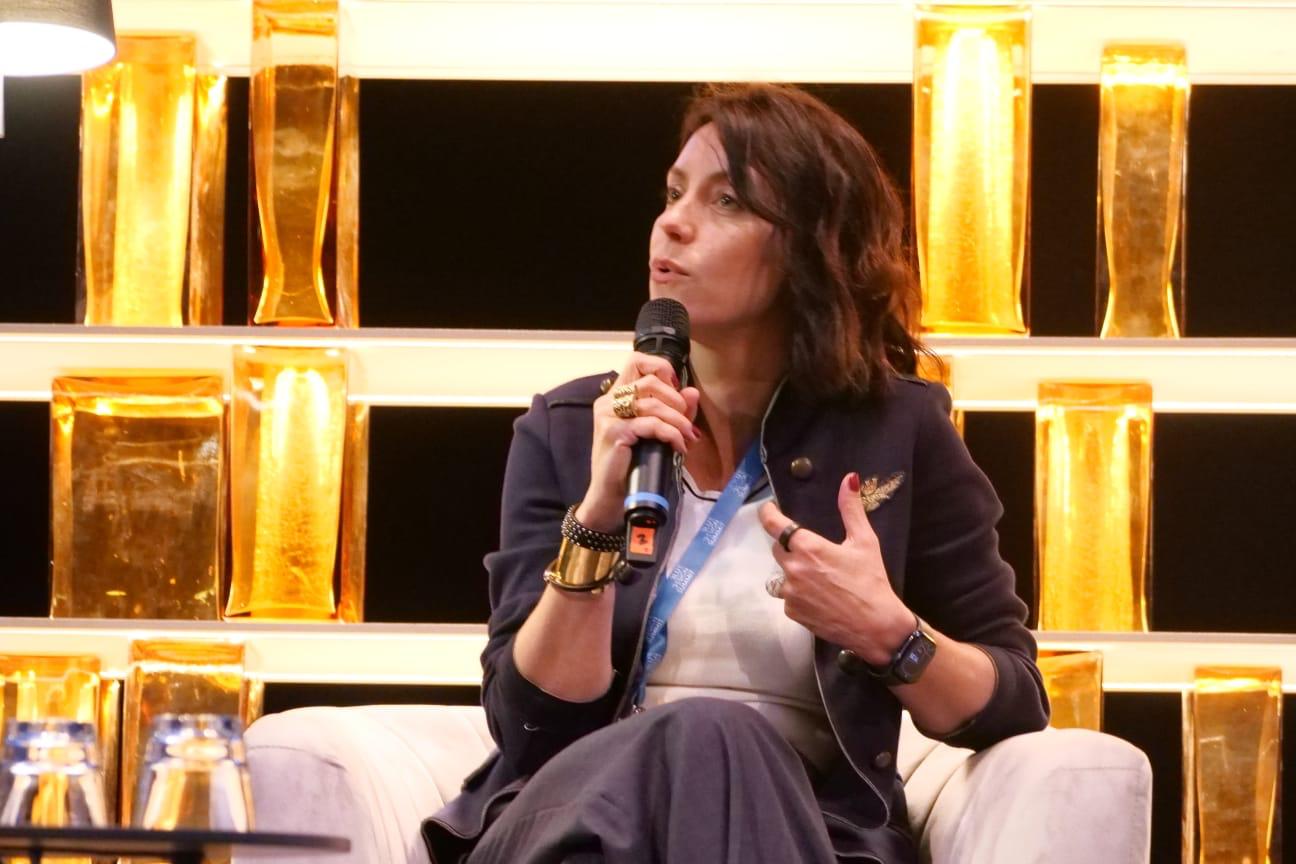
Laura Ceccarelli explained that the real objective is to earn the client’s trust by making them feel that everyone involved is “sitting on the same side of the table”. Achieving this requires listening skills, time and the ability to interpret highly personal wishes.
The same concept was echoed by Radovic, who described the designer’s role as a continuous exercise in diplomacy and psychological sensitivity. A project, she explained, should not reflect the professional’s personal taste, but rather the owner’s personality. Even the most eccentric requests therefore become part of a balance that needs to be carefully built. Examples shared during the panel demonstrated how far customization can go: from patchwork headboards made with unusual materials to projects inspired by traditional Italian gestures, transformed into handles and faucets.
According to Barbara Amerio, working in this sector requires “fine psychological skills”, because the relationship with the owner often evolves into a deep personal connection built over years of collaboration. Not surprisingly, one of the remarks that drew the most appreciation from the audience was the ironic suggestion made by the speakers themselves: to work in the custom yacht industry, young designers might also need “a master’s degree in psychology”.
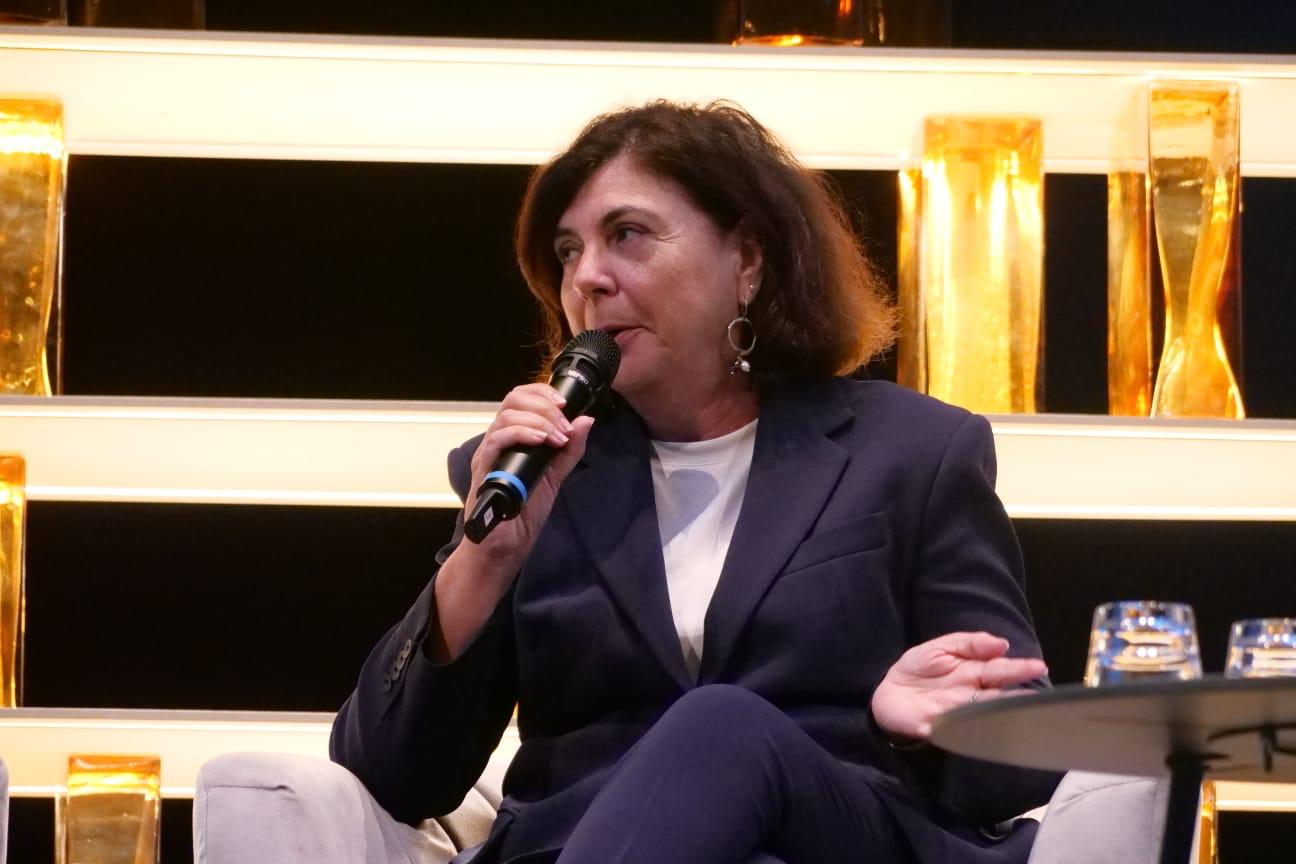
Another key element that emerged strongly during the panel was the value of collective work behind every yacht. The speakers insisted that a yacht is never the result of a single author, but rather the outcome of a complex chain involving designers, engineers, craftsmen, suppliers, management teams and shipyard workers.
Laura Ceccarelli emphasized the importance of the people who physically build the yachts, describing them as true artists. Isabella Picco reinforced the same concept, highlighting cooperation and cross-functional collaboration as essential elements in handling the complexity of a custom project.
Throughout the discussion, the launch ceremony was repeatedly described as the emotional synthesis of this shared journey. When owners become emotional in front of the completed yacht, the speakers explained, the entire team involved in the project often shares that emotion as well.
The panel also explored the theme of cross-industry influences.
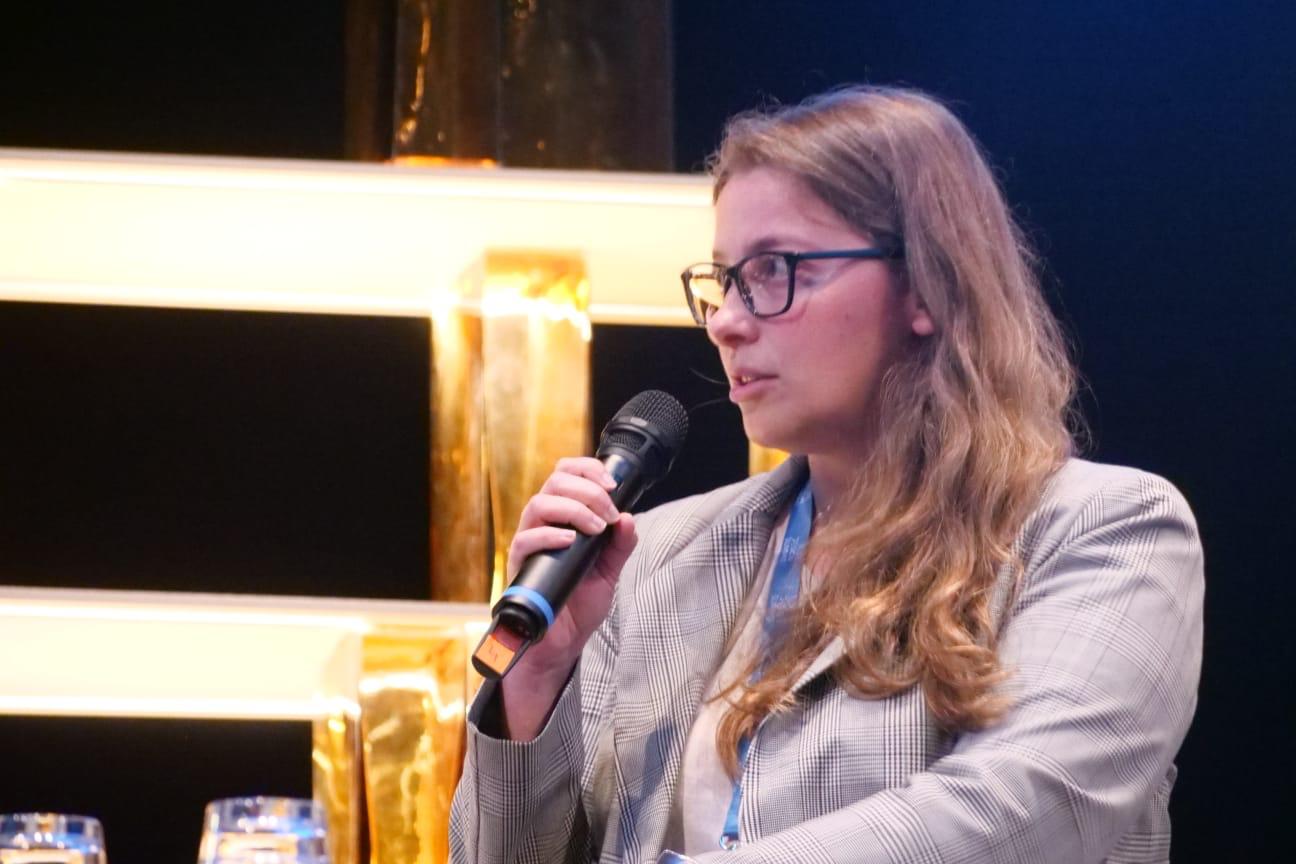
Laura Ceccarelli explained how many ideas today originate from the automotive and aviation sectors, particularly in the design of aluminium yachts. Gull-wing doors, sharp lines and functional solutions inspired by aircraft are now part of contemporary yacht design language.
Nadia Cutolo also described how clients themselves frequently bring very specific references: lines inspired by a particular car model, invisible tender garages, cranes integrated into bulwarks or hidden systems incorporated within the onboard architecture.
For Marijana Radovic, inspiration can come from virtually anywhere: a pattern seen at an airport, a retail project, a residential space or even an architectural detail observed during a trip. The result is a yachting industry increasingly influenced by external worlds, where yachts become true “floating villas” designed to reflect a lifestyle rather than serving an exclusively nautical function.
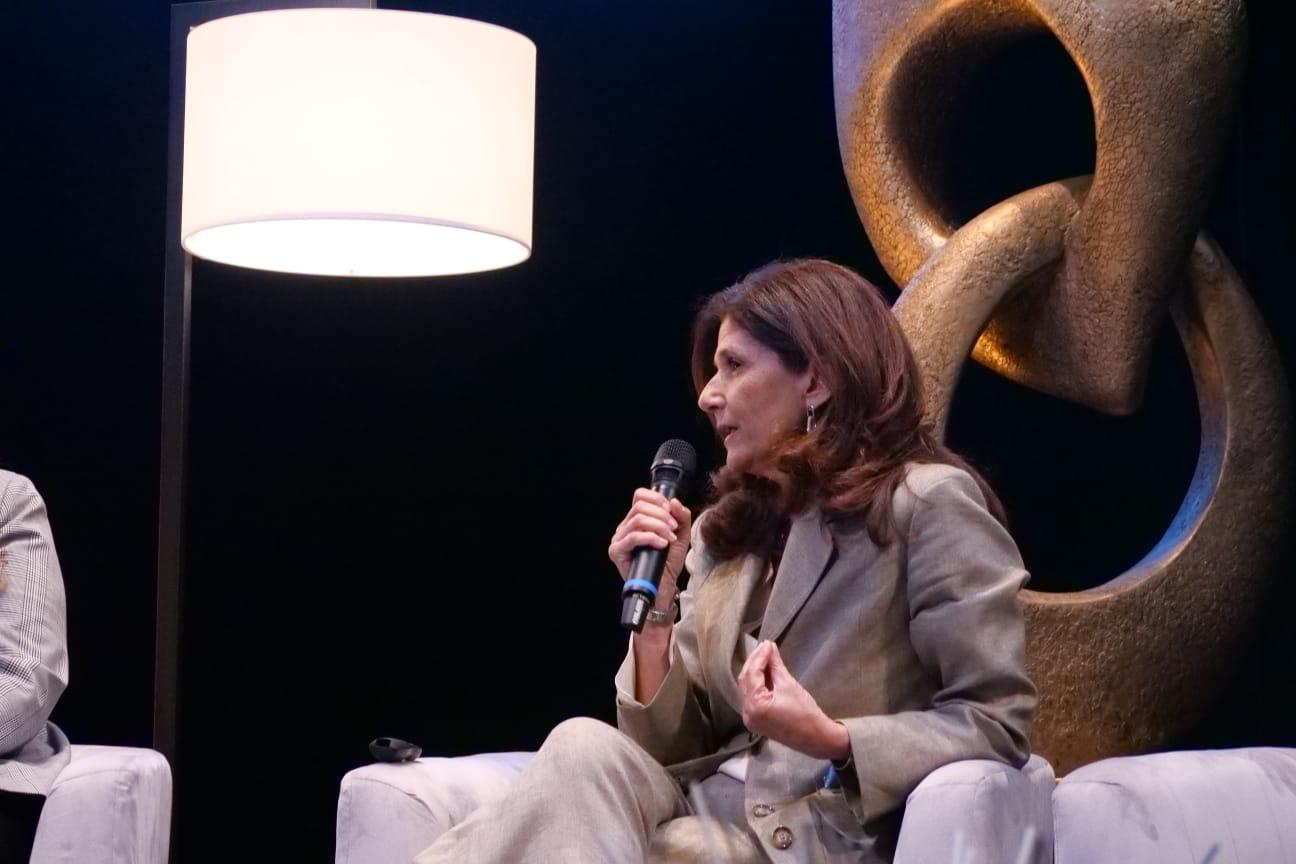
Significant attention was also devoted to sustainability, approached in a highly practical way. Barbara Amerio stressed that sustainability in yachting cannot be limited to propulsion systems alone, but must start from the yacht’s design itself. The goal is to consider the yacht’s entire lifecycle: construction, refit, maintenance and end-of-life management.
Among the topics discussed were the use of recoverable and recyclable materials, the design of removable and inspectable panels, and the development of digital material libraries capable of tracking the origin, production and disposal of materials. Amerio also explained that Amer Yachts is currently working with architects from other industries to rethink some yacht models entirely and create spaces designed according to new concepts.
According to Nadia Cutolo, sustainability is often perceived as a functional opportunity as well: the adoption of hybrid systems, for example, allows access to marine areas where traditional propulsion systems may face restrictions.
Marijana Radovic instead focused on the idea of sustainability as a “shared chain”, where no single player can act independently. Shipyards, designers, suppliers and owners must all contribute together to reducing the environmental impact of the entire production cycle.
From a marketing perspective, Isabella Picco explained how the mega yacht sector follows completely different rules compared to the consumer market. In the segment above 45 metres, communication is not aimed at volumes or direct sales. What matters instead is the ability to build credibility, reputation and consistency of values.
Owners are looking for an environment they can identify with, and every element — from the website to the imagery, from the language used to the behaviour of people inside the shipyard — contributes to building trust. Picco also highlighted a very practical aspect of yachting marketing: a large portion of budgets is absorbed by participation in international boat shows, leaving limited resources for other communication activities. This makes highly selective and targeted strategies essential.
In conclusion, the panel offered the image of a yachting industry increasingly built around human relationships, the cross-pollination of expertise and the ability to work as a team. A sector where engineering, design, psychology, craftsmanship and communication coexist within long and complex processes capable of transforming a combination of ideas, materials and people into something that goes far beyond the simple construction of a yacht.
As Francesca Ragnetti recalled at the end of the discussion, quoting Alexander Pope: “The sea unites the countries it separates.” Within the context of the Blue Design Summit panel, the phrase seemed to perfectly summarize the way contemporary yachting brings together different skills, cultures and visions around a shared project.
It is also worth remembering that Francesca Ragnetti collaborates with Andrea Tagliaferro in developing Yacht Femme’s networking activities and the evolution of the Awards format, with the aim of further expanding dialogue and relationships among the various players within the industry.
©PressMare - All rights reserved