Yachting and anti-money laundering regulations
Yachting and anti-money laundering regulations


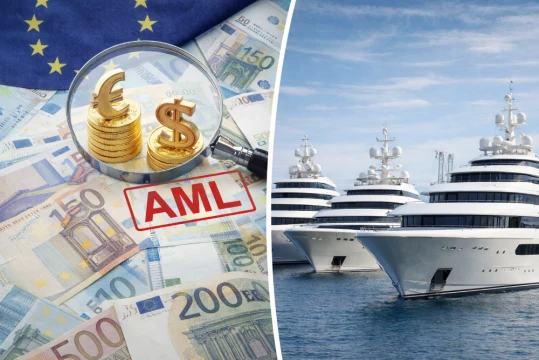
The issue of anti-money laundering (AML) regulations applied to yacht sales is beginning to take shape, and we are pleased that PressMare has contributed to raising initial awareness among companies about what risks becoming, at the very least, a significant turning point. Or, as some fear, a tsunami.
Following the attention given to the topic during the “Yachting and Tax” conference at the Genoa Boat Show and our in-depth article published last February, an important discussion took place yesterday in Rome, organised by Pirola Pennuto Zei & Associati. It brought together various stakeholders from the yachting sector, legal operators, the industry association and the UIF (Financial Intelligence Unit of the Bank of Italy).
“Many aspects will need to be carefully examined in the coming months, not only by regulated entities – which will now also include the yacht sales chain for vessels above €7.5 million – but also by the regulator,” stated Professor Massimiliano Musi, lecturer in Maritime Law at the University of Bologna, in his opening remarks. He outlined the complexity of the sales process, both from a contractual standpoint and in terms of the many professional figures involved, all of whom will become obliged entities from July 2027.
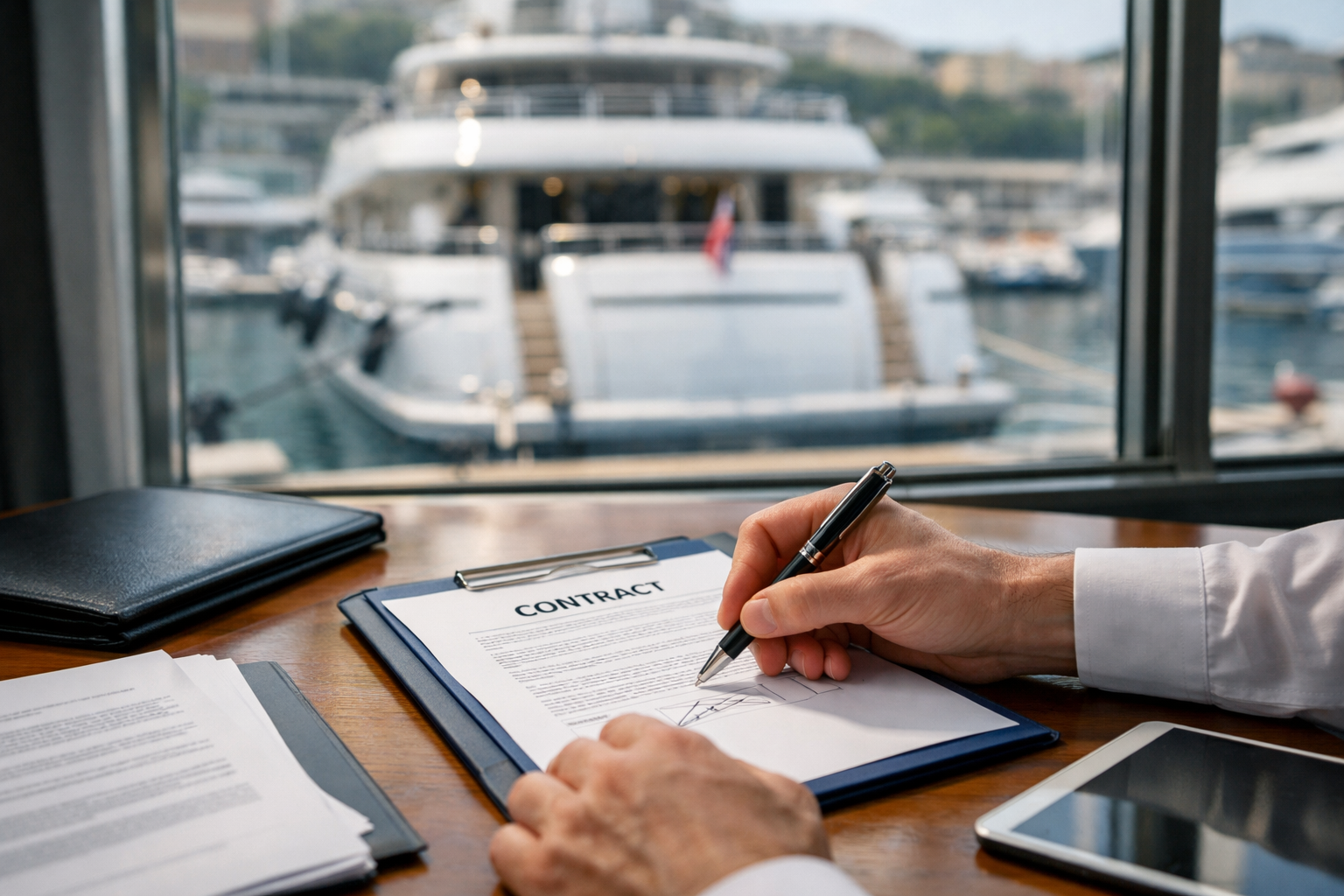
Rosanna Pellegrino, also from PPZ, analysed in detail each of the new regulatory aspects stemming from the EU Regulation, highlighting a point that may not have been fully considered so far: if a yacht sale were classified as an “occasional transaction” rather than a “business relationship”, there could be doubts as to whether due diligence should also be carried out below the established value threshold.
Salvatore Ricca, Advisor at the Regulatory and Institutional Relations Division of the Italian Financial Intelligence Unit, addressed the implementation aspects of the new framework and its extension to the leisure marine sector. He confirmed that the obligation to report suspicious transactions arises only in cases of opacity following customer due diligence. However, concern focuses on “objective reporting”, which must be carried out regardless of suspicion for transactions above the threshold, potentially impacting client relations. Overall, the discussion raised more questions than answers, as reflected in contributions from industry representatives.
From the corporate perspective, lawyer Georgia Agù of Azimut-Benetti described the AML compliance procedures adopted by the shipyard group. These include policies aimed at avoiding direct or indirect dealings with sanctioned territories or entities, conducting customer due diligence and reviewing transaction structures, and identifying dealers and intermediaries. Customer checks may include KYC (Know Your Customer) procedures, identity verification, ensuring complete information from counterparties, confirming the consistency of banking details and payments, and identifying potential red flags. “However, these requirements are already burdensome, and we are concerned they may be further expanded,” she noted.
The session concluded with Roberto Neglia, Head of Institutional Relations at Confindustria Nautica, who summarised the discussion and outlined the association’s position, including participation in EU consultations on upcoming technical regulations. He highlighted that draft provisions on sanctions classify non-compliance as less severe only if its duration is limited – a condition that, given the structure of yacht transactions, could result in a permanent aggravating factor for the sector. Even more critical are the criteria for financial penalties, which are based on total company turnover rather than the transaction value.
“Confindustria Nautica has requested that, given the number of parties involved, all subject to obligations, the sector be classified as low risk under Article 28 of Regulation (EU) 2026/1624, allowing simplified customer due diligence measures,” he concluded.
For convenience, we report the notes from our article published last February 14
¹ Article 74 of EU Regulation 2024/1624: persons trading in high-value goods must report all transactions relating to such goods acquired for non-commercial purposes, including yachts priced at €7.5 million or more (springlex.eu).
² Professional Dealers and Intermediaries of High-Value Goods must implement internal compliance systems, carry out due diligence, report suspicious transactions and establish appropriate compliance governance (anti-money-laundering.eu).
³ The regulation is directly applicable in all Member States, replacing previous directives and harmonising AML/CFT obligations, including sanctions for non-compliance (investmentpolicy.unctad.org).
⁴ All transactions involving high-value goods above the threshold must be systematically reported, even in the absence of suspicion (service.betterregulation.com).
⁵ Non-EU entities must provide beneficial ownership information for high-risk transactions, recorded in central registers of Member States before establishing a business relationship or completing the purchase (eur-lex.europa.eu).
©PressMare - All rights reserved